
Beat the Heat: Your Guide to Summer Lawn & Garden Care
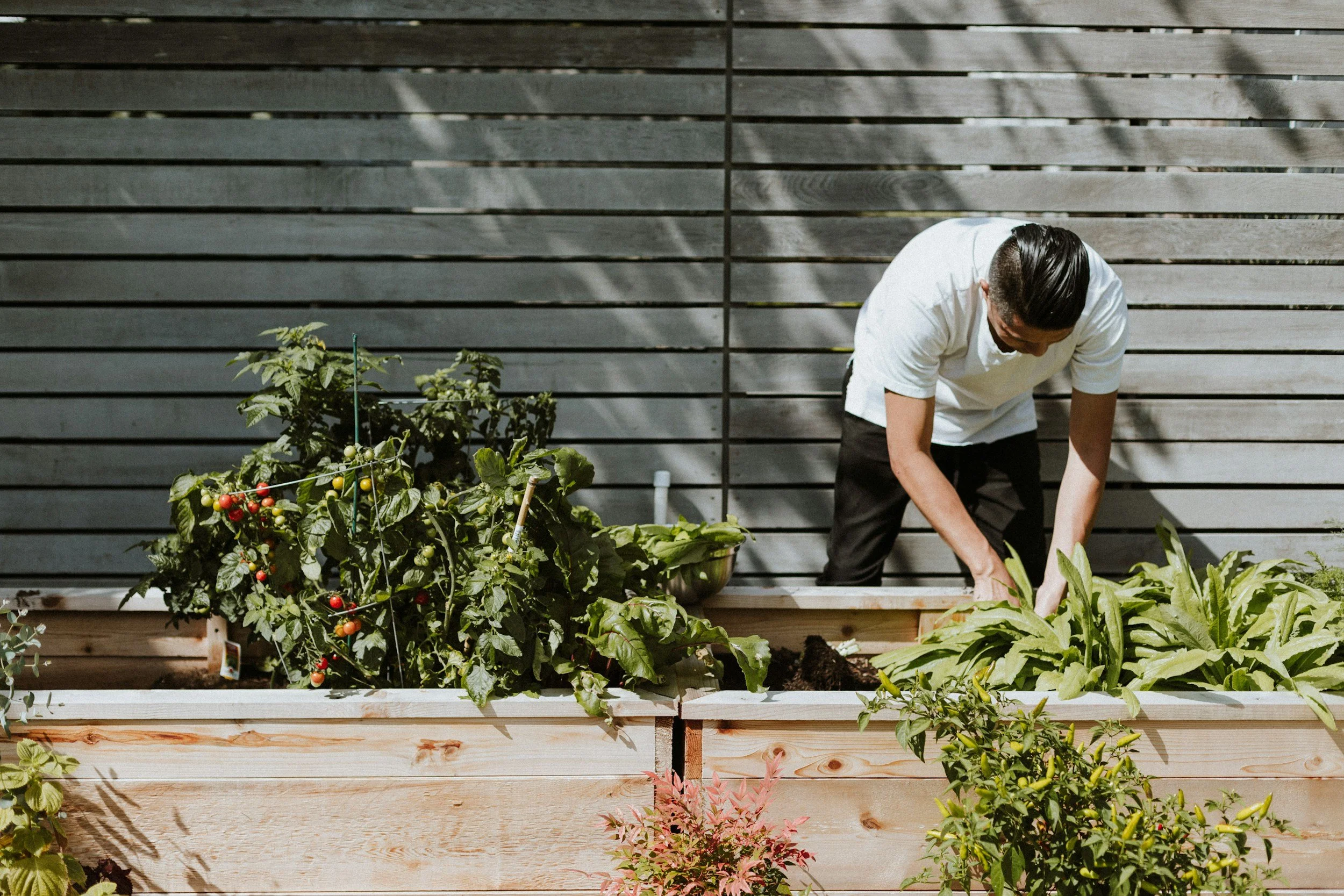
@priscilladupreez/unsplash
Summer in Central Texas can be scorching, with temperatures often soaring above 100°F. While the heat can be challenging, it doesn't mean your lawn and garden can't thrive. With the right care and plant choices, you can maintain a beautiful outdoor space. Here are some summer lawn and gardening tips tailored to the hot and dry conditions of the Austin areas.
What’s Growing Well in July?
Heat-Tolerant Plants: July is a tough month for gardening, but some plants thrive in the heat. Consider growing:
Cacti and Succulents: These plants are perfect for dry conditions and require minimal watering.
Native Perennials: Plants like Blackfoot daisy, Texas lantana, and autumn sage are well-adapted to the local climate and soil.
Vegetables: Hot-weather vegetables like okra, sweet potatoes, and peppers do well in the summer heat.
Flowers: Brighten up your garden with heat-loving flowers such as:
Zinnias: These vibrant flowers can withstand high temperatures and are great for attracting pollinators.
Sunflowers: Hardy and striking, sunflowers thrive in full sun and poor soil conditions.
What Should Be Planted?
Mid-Summer Planting:
Perennials and Shrubs: While it’s late for many annuals, you can still plant perennials and shrubs that establish roots over the summer and bloom next year.
Late-Summer Vegetables: Prepare for a fall harvest by planting beans, squash, and cucumbers in late July or early August.
Ground Cover and Mulch: To conserve moisture and protect plant roots from the intense heat, apply a thick layer of mulch. Ground covers like creeping thyme or Asiatic jasmine can also help reduce soil temperature and moisture loss.
Lawn Maintenance Tips
Mowing:
Height: Raise your mower blade to cut grass at a higher length (around 3-4 inches). Taller grass shades the soil and helps retain moisture.
Frequency: Mow less frequently during extreme heat to reduce stress on the grass.
Watering:
Early Morning: Water your lawn and garden early in the morning to minimize evaporation and allow plants to absorb moisture before the day heats up.
Deep and Infrequent: Water deeply but less frequently to encourage deep root growth. This method helps plants become more drought-tolerant.
Drip Irrigation: Consider installing a drip irrigation system to deliver water directly to the roots, reducing waste and ensuring efficient use of water.
Dealing with Water Restrictions
Austin often faces water restrictions during the summer. Here’s how to comply while keeping your garden healthy:
Collect Rainwater: Use rain barrels to collect and store rainwater for use during dry periods.
Gray Water: Utilize gray water from sinks, showers, and washing machines for irrigation. Ensure it’s free of harmful chemicals and safe for plants.
Xeriscaping: Implement xeriscaping principles by using drought-tolerant plants, reducing lawn areas, and incorporating hardscapes like rocks and gravel.
Additional Tips
Soil Health: Improve soil health by adding compost or organic matter. Healthy soil retains moisture better and provides essential nutrients to plants.
Shade: Provide temporary shade for delicate plants using shade cloth or strategically placing larger plants to shield smaller ones.
Pest Control: Summer heat can bring pests. Regularly check for signs of pests and use organic methods like neem oil or insecticidal soap to control them.
Gardening in Austin’s summer heat requires careful planning and maintenance, but with these tips, you can keep your lawn and garden vibrant and healthy. Focus on heat-tolerant plants, smart watering practices, and soil health to make the most of your summer garden. Happy gardening!