
Spring Gardening Tips for the Texas Hill Country
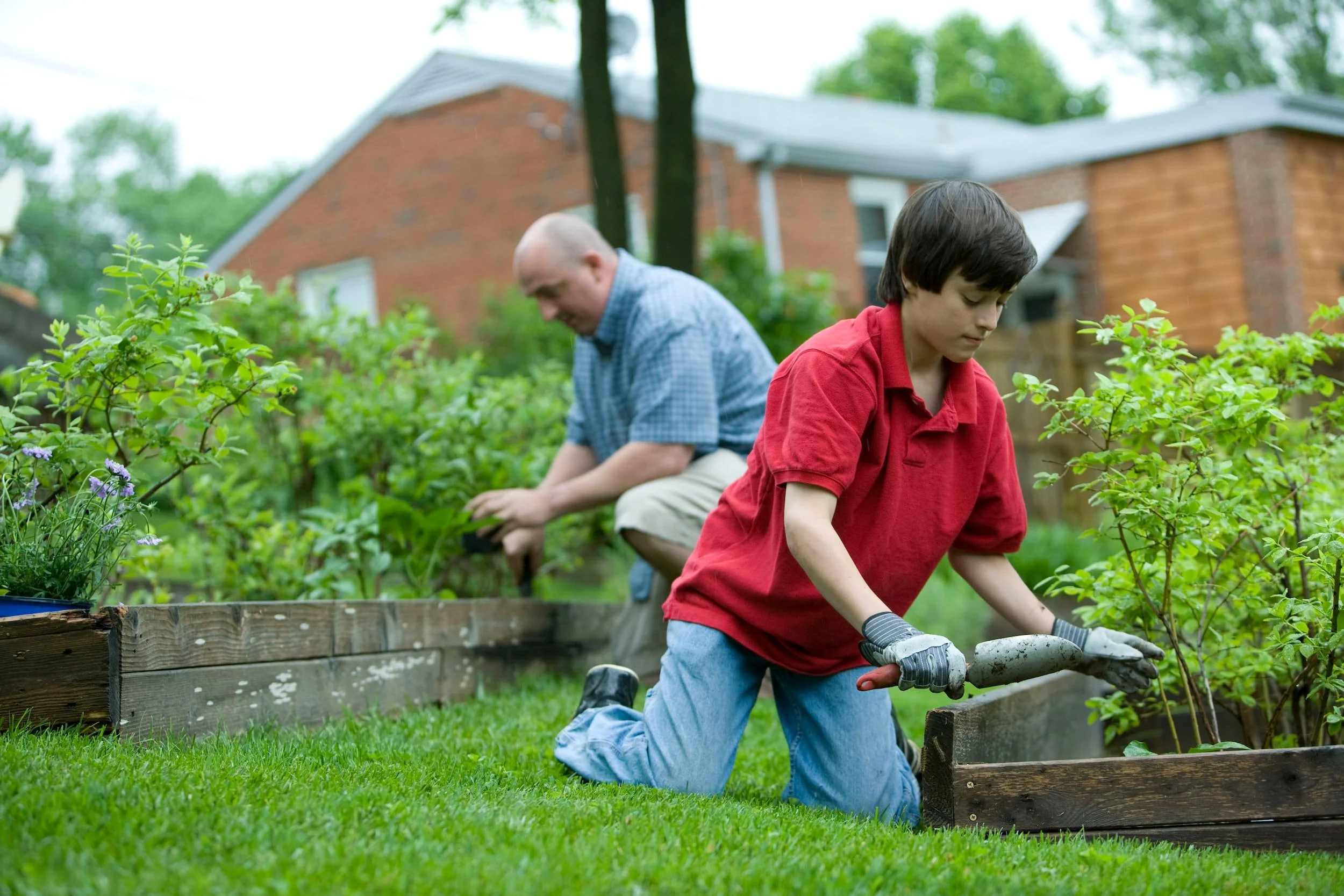
Spring is upon us, and it's time to get your garden ready for the warmer months ahead. With its unique climate and growing conditions, the Texas Hill Country presents some challenges for gardeners. However, with proper planning and care, you can create a beautiful and thriving garden in this picturesque region. In this blog post, we'll share some essential spring gardening tips for the Texas Hill Country to help you prepare your outdoor space for a successful growing season.
Choose the Right Plants
When selecting plants for your Hill Country garden, consider native species that are well-adapted to the region's climate and soil conditions. These plants typically require less water and maintenance, making them a sustainable choice for your landscape. Some popular native plants include Texas Sage, Black-Eyed Susan, Bluebonnets, and Purple Coneflowers.
Prepare Your Soil
The Texas Hill Country is known for its rocky and alkaline soil. Before planting, it's essential to prepare your soil by adding organic matter such as compost, aged manure, or leaf mold. This will help improve soil structure, drainage, and nutrient content. Additionally, you may want to test your soil's pH and make amendments as necessary to create the ideal growing environment for your plants.
Plant at the Right Time
In the Texas Hill Country, most spring planting generally occurs between late February and early April. Keep an eye on the weather and soil temperatures to determine the best time to plant. Frost-sensitive plants should be planted after the last expected frost date, while cool-season vegetables like lettuce, spinach, and peas can be planted earlier in the season.
Mulch Your Garden Beds
Applying a layer of organic mulch around your plants helps conserve moisture, suppress weeds, and regulate soil temperature. In the Texas Hill Country, where water conservation is crucial, mulching is an essential practice for maintaining a healthy garden. Use materials such as shredded bark, compost, or pine needles to create a 2-4 inch layer of mulch around your plants.
Water Wisely
Even with drought-tolerant native plants, proper watering is essential for a successful Hill Country garden. Water deeply and infrequently to encourage deep root growth, which helps plants better tolerate dry conditions. Utilize drip irrigation or soaker hoses for efficient watering, and be sure to water early in the morning or late in the evening to minimize evaporation.
Pest Control
Spring is also the time when pests start to emerge. Keep an eye out for common Texas Hill Country pests such as aphids, spider mites, and squash bugs. Use integrated pest management (IPM) techniques, like introducing beneficial insects, using organic insecticides, or employing physical barriers, to manage pests in an environmentally friendly way.
Prune and Fertilize
Spring is the perfect time to prune any dead or damaged branches from your trees and shrubs. This promotes healthy growth and helps prevent diseases. Additionally, fertilize your plants according to their specific needs. Organic fertilizers, like compost or aged manure, can provide a slow-release source of nutrients for your plants throughout the growing season.
With these spring gardening tips in mind, you're well on your way to creating a beautiful and thriving garden in the Texas Hill Country. Remember to choose native plants, prepare your soil, water wisely, and practice sustainable pest control to ensure a successful growing season. Happy gardening!